Showing posts with label Asian economy. Show all posts

Thursday, 5 May 2022

Highest inflation in Tokyo in over three decades makes things tough for BOJ

 While Tokyo’s inflation is finally approaching the 2% level targeted by the BOJ, the April figures are unlikely to prompt the central bank to cut back its monetary easing

The cost of living in Tokyo rose at the fastest pace in almost three decades in April, as the impact of soaring energy prices became clearer, an outcome that complicates the Bank of Japan’s messaging on inflation and the need for continued stimulus. Consumer prices excluding fresh food in the capital climbed 1.9% from a year ago, according to the ministry of internal affairs Friday. Barring the impact of sales tax hikes in 1997 and 2014, that was the fastest pace of gains since December 1992.

Fastest Tokyo inflation in decades complicates BOJ’s messaging The gauge jumped after the drag on the price index from sharp cell phone fee cuts a year ago started to drop out of calculations. Analysts had forecast prices to rise 1.8%. While Tokyo’s inflation, a leading indicator of the national price trend, is finally approaching the 2% level targeted by the BOJ, the April figures are unlikely to prompt the central bank to cut back its monetary easing.The central bank demonstrated its stance last week when it doubled down on its efforts to keep borrowing costs at rock bottom levels….

Wednesday, 4 May 2022

Sri Lankan tea pickers’ dreams shattered as nation faces economic crisis

 The Covid-19 pandemic severed the tourism lifeline of the Indian Ocean nation, already short of revenue in the wake of steep tax cuts by the government.

On a lush plantation in Sri Lanka, Arulappan Ideijody deftly plucks the tips of each tea bush, throwing them over her shoulder into an open basket on her back. After a month of picking more than 18 kg (40 lb) of such tea leaves each day, she and her husband, fellow picker Michael Colin, 48, receive about 30,000 rupees, worth about $80 after the island nation devalued its currency.

“It is not close to enough money,” Arulappan, 42, said of their earnings, which must support the couple’s three children and her elderly mother-in-law. “Where we used to eat two vegetables, now we can only afford one.” She is one of millions of Sri Lankans reeling from the island’s worst Sri lanka economic crisis in decades.

The Covid-19 pandemic severed the tourism lifeline of the Indian Ocean nation, already short of revenue in the wake of steep tax cuts by the government. Left critically short of foreign currency to buy essential supplies of food, fuel and medicines, Sri Lanka has turned to the International Monetary Fund for an emergency bailout.

Tuesday, 12 April 2022

Soaring food, energy prices reach Asia to bring global inflation in sync

 The turning point was Russia’s invasion of Ukraine, which triggered an upheaval in commodities markets.

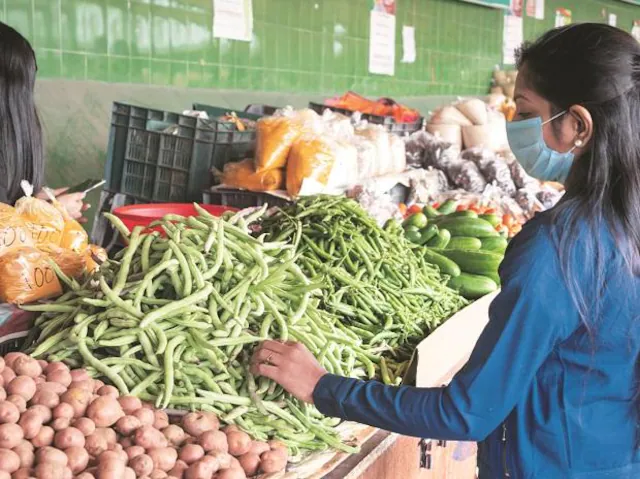
The world is now facing a synchronized inflation outbreak as food and energy prices surge in Asia, a shift from just a few months ago when the region appeared to avoid the price fever gripping the U.S. and parts of Europe. Inflation readings across the region — China, India, Indonesia, Philippines, Thailand and South Korea — recently rose more than forecast, while New Zealand on Wednesday hiked rates by the most in 22 years over price worries. And accelerating manufacturing costs suggest the worst is yet to come.

Markets are starting to price in rising inflation expectations and more aggressive central bank action across much of Asia. That’s beginning to mirror trends seen in the U.S., where data Tuesday showed consumer prices last month rose by the most since late 1981, piling fresh pressure on the Federal Reserve to respond.

Regional government bond yields have risen through this year, led by South Korea, with the emerging Asia total return index down 2.6%, its worst performance since 2013. That signals an expectation that some central banks will raise interest rates to slow inflation and prop up their currencies as capital leaves the region...Read More

Tuesday, 20 August 2019

Over 20 years after Asia debt crisis, McKinsey sees signs of a repeat

McKinsey examined the balance sheets of more than 23,000 companies across eleven Asia-Pacific countries, and found firms in most of Asia face ‘significant stress’ in servicing debt obligations.
RBI likely to maintain status quo on rates for entire 2018, say experts
More than two decades since the Asia debt crisis gripped the region, global consulting firm McKinsey & Co is warning that signs of a rerun are “ominous.” Increased indebtedness, stresses in repaying borrowing, lender vulnerabilities and shadow banking practices are some of the concerns cited by McKinsey in an August report. Whether building pressures are “enough to trigger a new Asia debt crisis remains to be seen” but governments and businesses need to monitor potential causes, authors Joydeep Sengupta and Archana Seshadrinathan wrote.
McKinsey’s warning shot comes as a slowing global economy puts pressure on earnings at Asian companies, and the US-China trade war makes debt investors more risk adverse. Still, fund managers point to improved credit metrics of Asian dollar bond issuers in recent years, and Moody’s Investors Service said last week it expects most Asian economies can offset the domestic impact of the global slowdown through monetary and fiscal policy measures.
McKinsey examined the balance sheets of more than 23,000 companies across eleven Asia-Pacific countries, and found firms in most of Asia face “significant stress” in servicing debt obligations. In countries such as China and India, those pressures have risen since 2007, while falling sharply in the US and UK during the same period, according to McKinsey…

14th BRICS summit to review current global issues, reach key agreements

  At the   14th BRICS summit   which is to be hosted by China in a virtual mode on 23-24 June, the member nations will review the current gl...