Showing posts with label NEUROSCIENCE. Show all posts

Friday, 24 August 2018

‘Alcohol causes 2.8m deaths each year worldwide’

In a shocking revelation, a recent study has found that alcohol is associated with nearly one in 10 deaths in people aged 15-49 years old.
Image result for ALCOHOL
Overall, according to the research that estimates levels of alcohol use and health effects in 195 countries between 1990 to 2016, 2.8 million deaths occur each year worldwide.
Based on their analysis, the authors suggest that there is no safe level of alcohol as any health benefits of alcohol are outweighed by its adverse effects on other aspects of health, particularly cancers.

Health

According to lead author, Dr Max Griswold of the Institute for Health Metrics and Evaluation, University of Washington, USA, “Previous studies have found a protective effect of alcohol on some conditions, but we found that the combined health risks associated with alcohol increase with any amount of alcohol. In particular, the strong association between alcohol consumption and the risk of cancer, injuries, and infectious diseases offset the protective effects for ischemic heart disease in women in our study.”
“Although the health risks associated with alcohol starts off being small with one drink a day, they then rise rapidly as people drink more. Policies focusing on reducing alcohol consumption to the lowest levels will be important to improve health. The widely held view of the health benefits of alcohol needs revising, particularly as improved methods and analyses continue to shed light on how much alcohol contributes to global death and disability,” added Dr Max Griswold.
Globally, one in three people (32.5 percent) drink alcohol – equivalent to 2.4 billion people – including 25 percent of women (0.9 billion women) and 39 percent of men (1.5 billion men). On average, each day women consumed 0.73 alcoholic drinks, and men drank 1.7 drinks.
Keep Reading : BS 

Thursday, 23 August 2018

Sleep medication: Use and abuse

Insomnia or sleep disturbance is the most common of all sleep disorders. Insomnia is the difficulty in falling asleep or staying asleep, even when a person can sleep in.
Image result for sleep medication
According to a report by the National Institutes of Health, it is estimated that around 30 per cent of the total general population complains about sleep disruption and over 10 per cent have been associated with symptoms of daytime functional impairment consistently, with the diagnosis of insomnia.
Treatment of insomnia depends on the severity of symptoms and underlying cause. Sleep medications are not the first line of treatment, and various other methods such as behavioural therapy or sleep hygiene must be tried first. Sleeping pills have a potential to make a person dependent on it when he/she takes those pills for a prolonged period.
Dr Mohammed Shakeel of Fortis Hospital, Kalyan, said the risks and benefits of various prescriptions for sleeping pills can differ.
Side effects of taking sleeping pills- Depending on the type, sleeping pills with prescription-might include the following:
• Frustration, fatigue, low energy, difficulty in concentrating, mood disturbances
• Severe headache
• Gastrointestinal problems, (E.g. Diarrhea and Nausea)
• Persistent drowsiness (due to consuming drugs that may help you stay asleep)
• Allergic reaction to certain things
• Behavioural changes in sleep (E.g. driving or eating when you’re not fully awake)

>>>Keep Reading : BS<<<

Tuesday, 7 August 2018

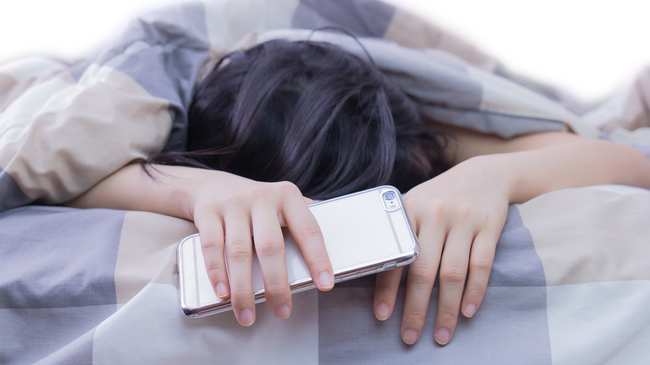
Broadband internet can cause sleep deprivation

Did you know! Having access to the broadband internet can cause sleep deprivation.
Image result for Broadband internet can cause sleep deprivation
According to a recent study conducted by Bocconi University, access to high-speed internet reduces sleep duration and sleep satisfaction in individuals that face time constraints in the morning for work or family reasons.
“Individuals with DSL access tend to sleep 25 minutes less than their counterparts without DSL Internet. They are significantly less likely to sleep between 7 and 9 hours, the amount recommended by the scientific community, and are less likely to be satisfied with their sleep,” Francesco Billari, principal investigator of the study, said.
The effect that the authors find is largely driven by individuals that face time constraints in the morning and by the use of electronic devices in the evening (not by their use throughout the day).

News Source : BS

Thursday, 26 July 2018

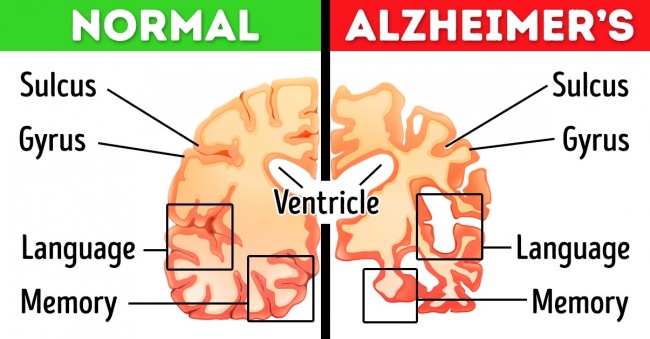
Immune system may cure Alzheimer’s disease

Turns out, vessels connecting the brain and the immune system play critical roles in both Alzheimer’s disease and decline in cognitive ability that comes with time.
19562460-17463360-2-0-15180115331-1518012735-1205-1-1518012735-650-1206a7b8bc-1518249906
Scientists at the University of Virginia improved the function of the lymphatic vessels to dramatically enhance the ability of aged people to learn and improve their memories.
Lymphatic vessels are a network of tiny, thin-walled vessels which are designed to pick up the fluid that leaks into the tissues from the bloodstream and return it to the circulatory system.
The researchers used a compound to improve the flow of waste from the brain to the lymph nodes in the neck of aged mice. The vessels became larger and drained better, and that had a direct effect on the ability to learn and remember.
They also determined that obstructing the vessels worsens the accumulation of harmful amyloid plaques in the brain that are associated with Alzheimer’s disease…READ FULL STORY

14th BRICS summit to review current global issues, reach key agreements

  At the   14th BRICS summit   which is to be hosted by China in a virtual mode on 23-24 June, the member nations will review the current gl...