Showing posts with label SLEEP DISORDERS. Show all posts

Thursday, 23 August 2018

Sleep medication: Use and abuse

Insomnia or sleep disturbance is the most common of all sleep disorders. Insomnia is the difficulty in falling asleep or staying asleep, even when a person can sleep in.
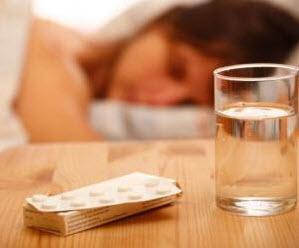
Image result for sleep medication
According to a report by the National Institutes of Health, it is estimated that around 30 per cent of the total general population complains about sleep disruption and over 10 per cent have been associated with symptoms of daytime functional impairment consistently, with the diagnosis of insomnia.
Treatment of insomnia depends on the severity of symptoms and underlying cause. Sleep medications are not the first line of treatment, and various other methods such as behavioural therapy or sleep hygiene must be tried first. Sleeping pills have a potential to make a person dependent on it when he/she takes those pills for a prolonged period.
Dr Mohammed Shakeel of Fortis Hospital, Kalyan, said the risks and benefits of various prescriptions for sleeping pills can differ.
Side effects of taking sleeping pills- Depending on the type, sleeping pills with prescription-might include the following:
• Frustration, fatigue, low energy, difficulty in concentrating, mood disturbances
• Severe headache
• Gastrointestinal problems, (E.g. Diarrhea and Nausea)
• Persistent drowsiness (due to consuming drugs that may help you stay asleep)
• Allergic reaction to certain things
• Behavioural changes in sleep (E.g. driving or eating when you’re not fully awake)

>>>Keep Reading : BS<<<

Sunday, 22 July 2018

Supplemental oxygen eliminates rise in morning blood pressure

Supplemental oxygen eliminates the rise in morning blood pressure experienced by obstructive sleep apnea (OSA) patients who stop using continuous positive airway pressure (CPAP), the standard treatment for OSA.
Image result for blood pressure
According to a new research, co-authors reported that in patients with moderate to severe OSA, supplemental oxygen prevented the rise in systolic and diastolic blood pressure, and the increase in oxygen desaturations that were seen in the control arm of the study after CPAP was withdrawn.
Twenty-five adults living in the United Kingdom participated in the study. All had been using CPAP successfully for over a year.
Many studies have demonstrated an association between OSA, hypertension and cardiovascular disease.
Some of these studies have linked the acute rises in blood pressure that OSA patients experience while sleeping to the constant need to wake up when their breathing stops or is partially blocked.
The authors of the current study wanted to find out if these recurrent arousals were also responsible for higher blood pressure in OSA patients during the day or whether intermittent hypoxia (low oxygen levels), resulting from interrupted breathing during sleep…READ FULL STORY

14th BRICS summit to review current global issues, reach key agreements

  At the   14th BRICS summit   which is to be hosted by China in a virtual mode on 23-24 June, the member nations will review the current gl...