Showing posts with label FOOTBALL. Show all posts

Monday, 24 June 2019

Fans lose faith as mafia and corruption scandals rock Italian football

Over the past decade, media investigations and research have uncovered an unseemly lack of virtue within the industry
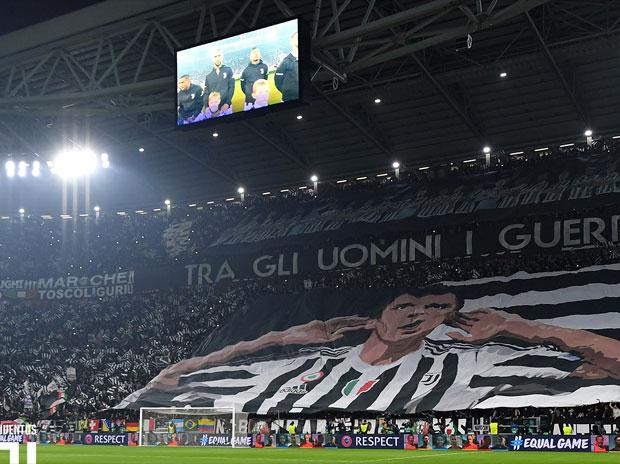
Juventus
Football could be considered Italy’s most popular sport, with world-class teams worth billions attracting a dedicated following across the country. But more than that, football shapes the nation’s collective identity, bringing people from the smallest village to the biggest city together in their love for “the beautiful game”.
But over the past decade, media investigations and research have uncovered an unseemly lack of virtue within the industry. Mafia infiltration and corruption have come to characterise Italian football to the point that malpractice, deviance and criminal behaviour might seem to be the norm.
For example, fans of one of Italy’s most successful teams, Juventus Football Club (also known as “Juve”), have been dismayed by a series of corruption allegations. In April 2019, the Italian Supreme Court ruled that Juventus managers had supplied match tickets that were touted for profit by groups of hard-core fans, known as ultras, under the control of individuals linked to the Calabrian mafia, known as the ‘ndrangheta.
In an earlier case, concluded in October 2018, former Juventus player and 2006 World Cup winner Vincenzo Iaquinta was sentenced to two years in prison for firearms offences, in part of a larger trial concerning the infiltration of ‘ndrangheta clans in northern Italy. The footballer’s father was also sentenced to 19 years on mafia-related charges.
Playing for power
These incidents are not confined to one club – organised crime groups have interests at all levels of the sport. In 2018, football generated 2.397 billion euro in Italy alone – the bulk of which came from audiences, not even counting TV, sponsorship and advertising contracts. It’s obvious that an industry attracting such enormous amounts of money would make an appealing target for criminal groups that seek to accumulate profits and conceal the proceeds of crime.

Tuesday, 31 July 2018

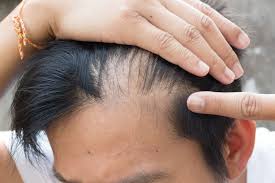
Hair loss gene is key to improved cancer immunotherapy

Harnessing the gene behind hair loss could help improve cancer immunotherapy.
download
A study by Columbia University Irving Medical Center researchers confirmed the possibility.
“While immunotherapies have shown great promise in cancer, most patients do not benefit from these treatments because their tumours are able to evade the immune system,” said a lead researcher, Angela M. Christiano.
“But one way around this obstacle is to harness genes that cause the recruitment of T cells in autoimmune disease and use them to attract T cells to kill tumours. In this study, we showed that a gene that recruits T cells in alopecia areata- a condition in which immune cells attack and destroy hair cells–is turned off in various types of cancer, protecting them from the immune system. But if we turn that gene back on, we can make those cancers vulnerable to the immune response,” he added.
The study began with the recognition that auto-immune diseases and cancer represent opposite ends of the immune signalling spectrum.
When the immune system is overactive, a patient may be at risk for auto-immune disease; when it’s underactive, cancer can evade the immune system and progress.

READ FULL STORY

Football effective for old diabetic patients

Turns out, playing football helps increase the bone strength of diabetic patients (male and female) between 55 to 70 years.
download (1)
Individuals with prediabetes and type-2 diabetes have a higher prevalence of osteopenia. A recent study confirmed that football is effective for osteogenic training and that it has significant positive effects in the legs and clinically important femoral sites.
In the study, Dual-energy X-ray absorptiometry (DXA) scans were used t evaluate the initial bone health of the participants as well as the training-induced effects, along with blood samples to determine plasma markers for bone turnover and bone formation.
From these measurements, 73 percent of the participants were diagnosed with femoral osteopenia and 24 percent with femoral osteoporosis prior to the intervention.
After 16 weeks of training, between-group changes in favour of football training were observed for the bone mineral content of the femoral neck (3.2 percent) and femoral shaft (2.5 percent) as well as for bone mineral content (32 g). Plasma osteocalcin and P1NP were elevated in the football group by 23 percent and 52 percent respectively, with greater changes than in the control group.

READ FULL STORY

14th BRICS summit to review current global issues, reach key agreements

  At the   14th BRICS summit   which is to be hosted by China in a virtual mode on 23-24 June, the member nations will review the current gl...